Examining Theme-Based Symbol Interactions Across Egyptian and Confectionery Inspired Video Slots
Dana Bauer · Oct 9, 2026
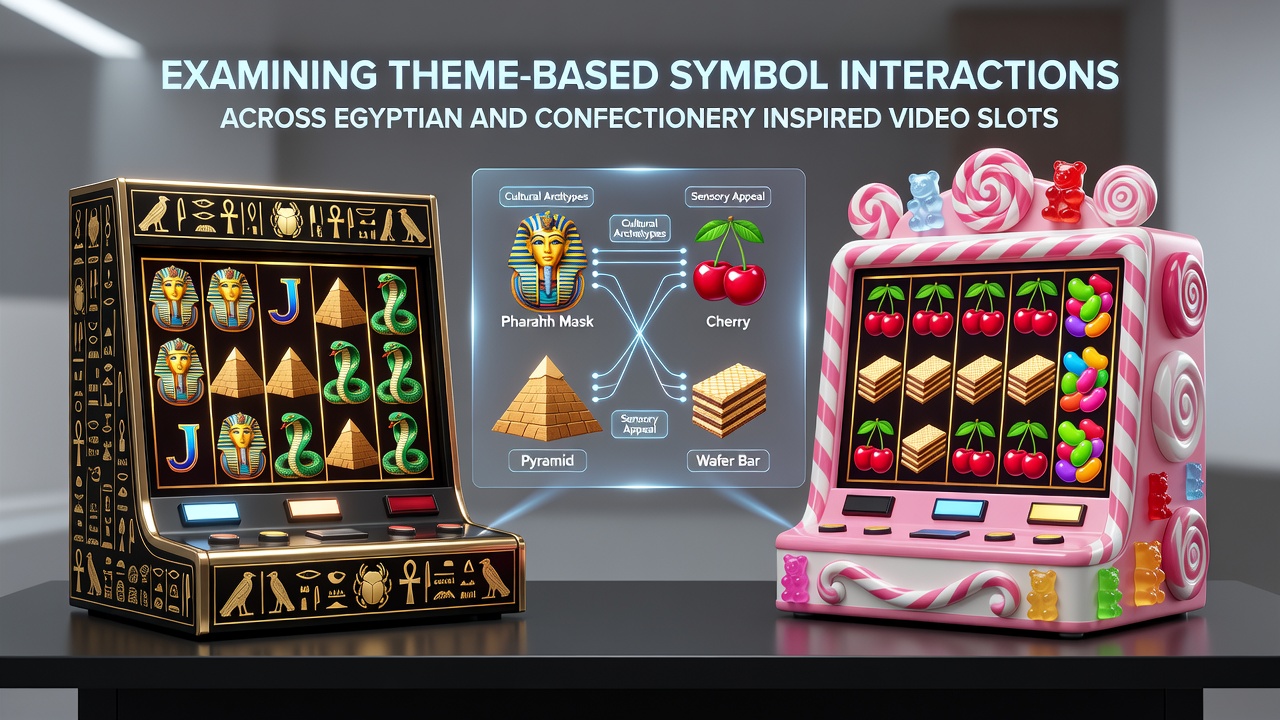
Examining Theme-Based Symbol Interactions Across Egyptian and Confectionery Inspired Video Slots
Theme-based symbol interactions in video slots draw from distinct visual and mechanical traditions that shape how players encounter winning combinations, and Egyptian-inspired titles often feature scarabs, pharaohs, and pyramids that trigger special functions when aligned on reels, while confectionery-inspired games rely on candy icons, lollipops, and gummies that activate multipliers or cascades through color matching and grouping patterns. Observers note that these symbol sets create different engagement loops because Egyptian designs frequently incorporate ancient artifact motifs to unlock bonus rounds, whereas confectionery mechanics emphasize bright, edible visuals that encourage repeated spins through visual accumulation effects.
Core Symbol Mechanics in Egyptian-Inspired Slots
Egyptian-themed slots build symbol interactions around hierarchical value structures where high-paying icons like Cleopatra or Ra appear less frequently yet deliver larger payouts, and lower symbols such as card ranks fill the reels to maintain base game rhythm. Data from industry reports indicates that scarab symbols commonly serve as wild substitutes that expand across adjacent reels during feature triggers, which in turn connects multiple paylines in a single spin sequence. Researchers have documented how pyramid scatter symbols initiate free spin modes by requiring three or more appearances, and this requirement ties directly to the theme's narrative of uncovering hidden tombs, so the visual progression feels consistent with the overall aesthetic.
Studies on reel configuration reveal that Egyptian slots often use stacked symbols to increase the probability of forming long combinations, and this stacking mechanic interacts with the theme by representing rows of temple columns or rows of hieroglyphs that players recognize as cultural markers. Those who analyze payout distributions find that the interaction between expanding wilds and book-style features generates chains of substitutions that elevate session variance without altering the underlying random number generator.
Symbol Interactions in Confectionery-Inspired Slots
Confectionery slots organize symbols around color-coded candy groups that pay when clusters form rather than traditional lines, and this shift alters how players perceive progress because matching five or more identical sweets triggers immediate removals followed by new symbols dropping into place. Figures from gaming analytics show that lollipop and chocolate bar icons frequently carry multiplier values that accumulate across successive cascades, creating layered reward structures that feel tied to the playful, consumable theme. Experts observe that gummy bear symbols sometimes act as special catalysts that convert adjacent candies into higher-value variants during bonus sequences, and this conversion mechanic mirrors the idea of flavor mixing or candy transformation.
Comparative Analysis of Interaction Patterns
Egyptian and confectionery symbol systems differ in their approach to feature activation because Egyptian designs favor scatter-based entries into separate screen modes, whereas confectionery games embed bonus potential directly into the base reel grid through ongoing cluster growth. According to data compiled by the Canadian Gaming Association, cluster mechanics in sweet-themed titles produce higher hit frequencies per spin compared with line-based Egyptian formats, yet both categories maintain equivalent return-to-player percentages across large sample sets. What's interesting is how theme consistency influences perceived fairness, since players associate pyramid symbols with ancient mystery and therefore anticipate rarer but larger outcomes, while candy symbols suggest abundance and frequent small rewards that keep the reels moving.
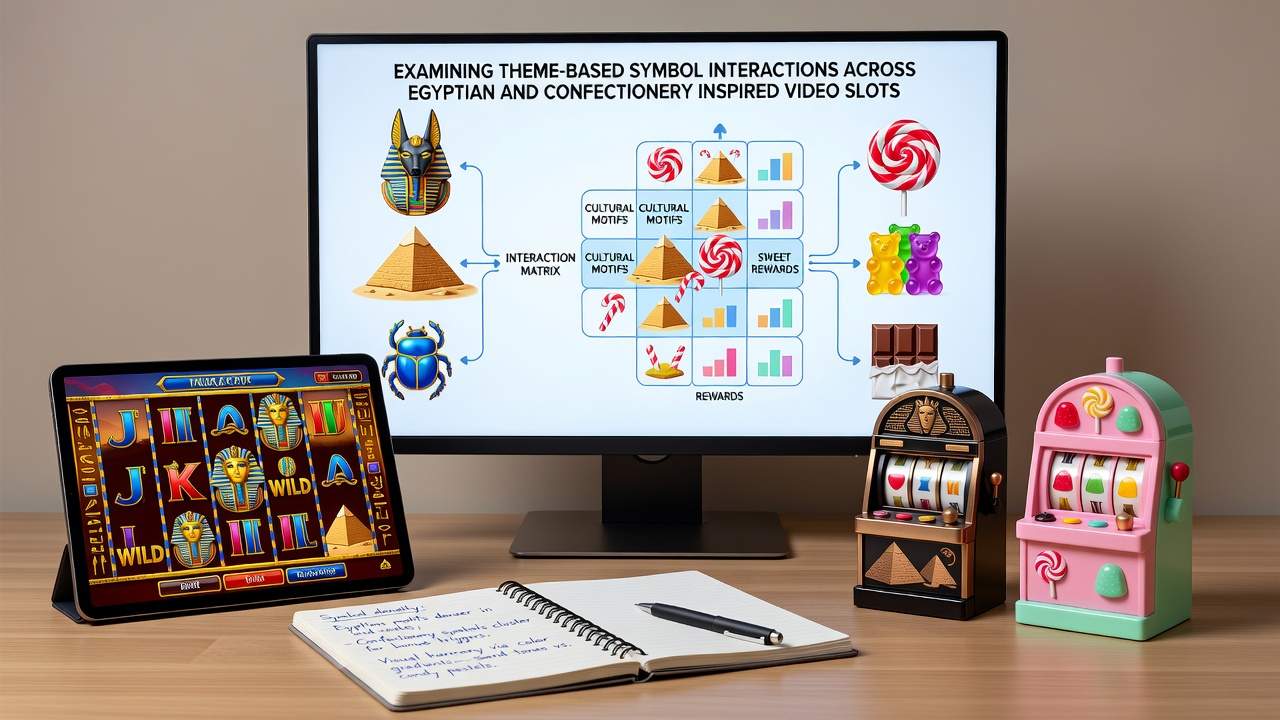
One analysis of symbol weighting published in an academic gaming study found that confectionery titles assign higher densities to low-value candy icons to sustain cascade chains, while Egyptian games balance high-value artifacts with more neutral background symbols to preserve the sense of discovery. The interaction between these weightings and theme-specific animations produces distinct visual feedback loops, and regulators in multiple jurisdictions track these patterns to ensure transparent disclosure of how symbols influence outcomes.
Regulatory Context and Design Trends Through Late 2026
Industry organizations such as the European Gaming and Betting Association have published guidelines that encourage developers to align symbol behavior with thematic expectations so that players receive clear visual cues about potential results. In October 2026 several markets continue to review updated standards for digital slot presentations, and these reviews focus on how theme-based interactions affect session length and expenditure patterns without introducing new mechanical elements. Observers note that both Egyptian and confectionery categories continue to evolve through minor refinements to symbol substitution rules rather than wholesale redesigns, and this incremental approach allows operators to maintain recognizable aesthetics across multiple releases.
Turn to sources like the Australian Communications and Media Authority for jurisdiction-specific data on how themed symbol sets perform under varying stake limits, and cross-reference those figures with research from university gaming labs that model player decision trees based on visual symbol hierarchies. The reality is that symbol interactions remain central to game differentiation even as hardware and software capabilities advance.
Conclusion
Symbol interactions rooted in Egyptian and confectionery themes demonstrate how visual motifs directly inform mechanical functions across video slots, from scatter activations in tomb-raiding formats to cluster cascades in candy-filled grids. Evidence from regulatory reports and design analyses shows consistent patterns in how these themes shape payout structures and player navigation, and continued observation through 2026 indicates that developers will keep refining these interactions within established thematic boundaries rather than introducing radical departures. Those studying the sector recognize that theme-based symbols serve as both aesthetic anchors and functional levers that together define the experience of each game category.